A landmark partnership is helping keep a major wildlife corridor connected while supporting watersheds, carbon storage, and long-term ecological resilience.
A decades-long vision for conservation in southeastern British Columbia has taken a major step forward. Through a landmark partnership, 45,000 hectares of timberland known as the Kootenay Forest Lands have been secured for long-term conservation — making this one of the largest private land conservation projects in Canadian history.
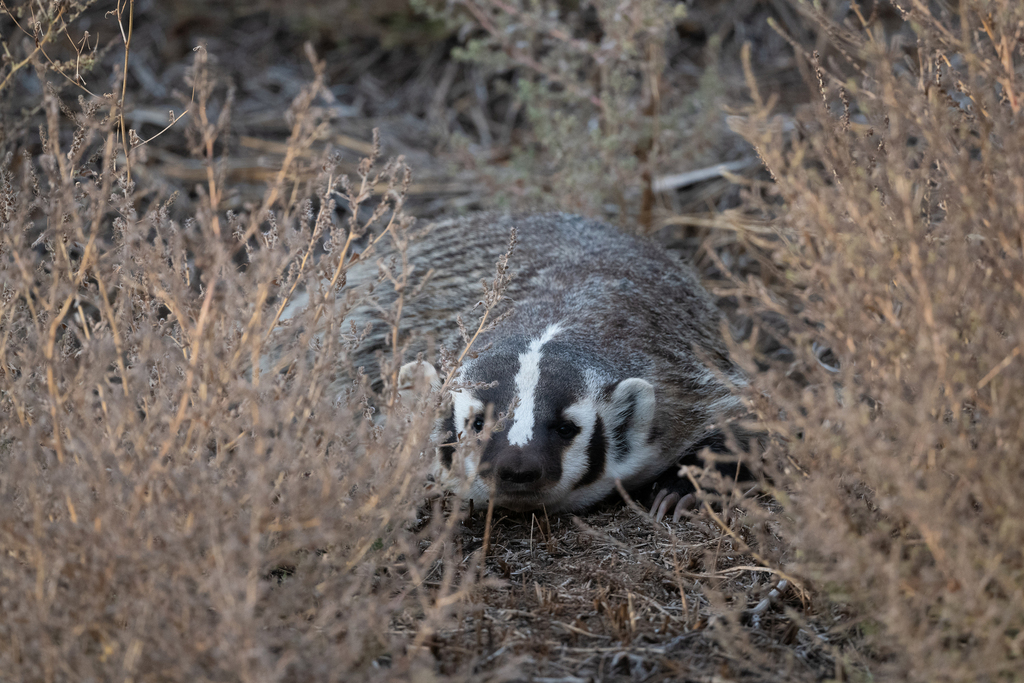
American badger
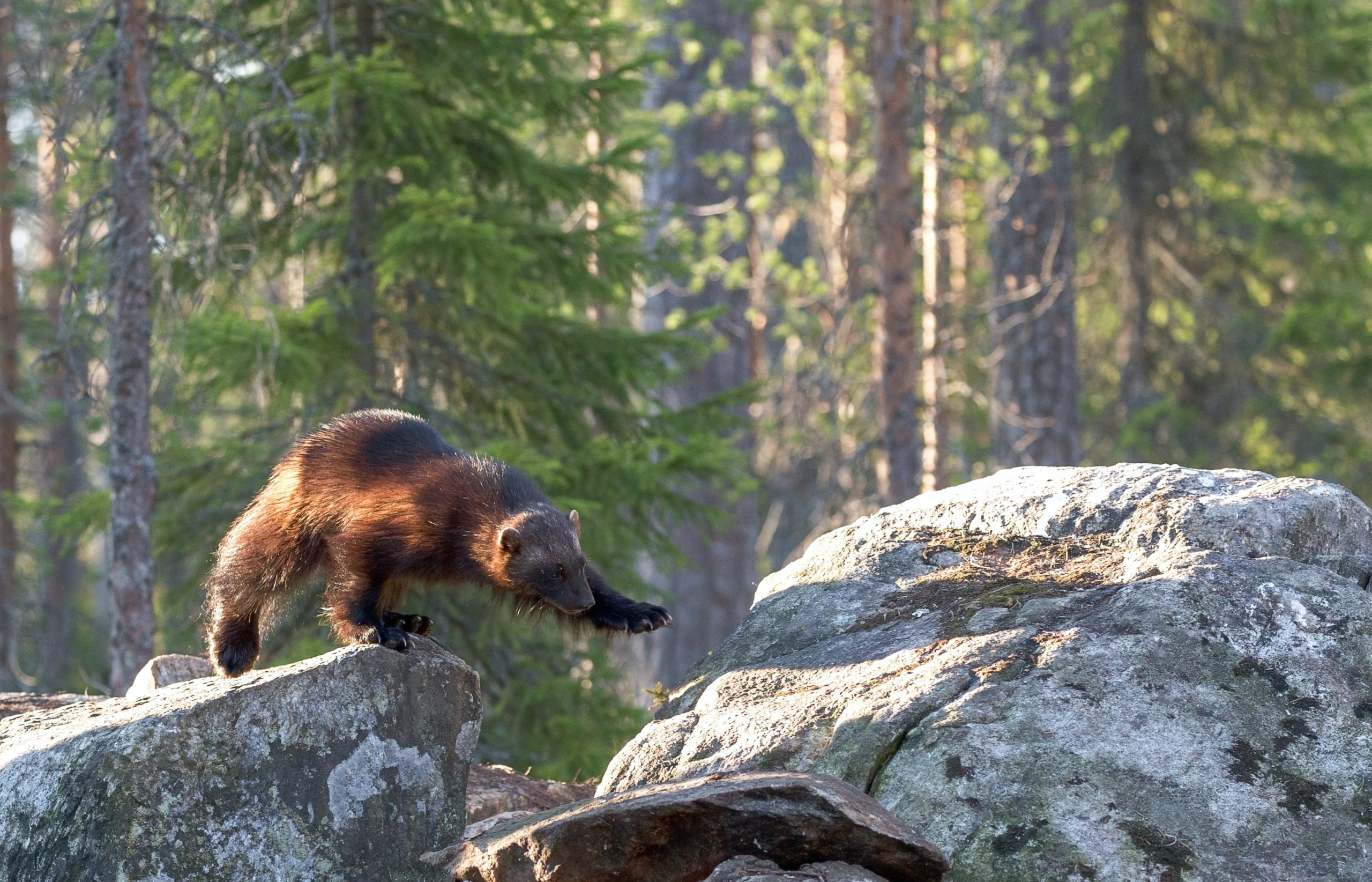
Located within the homelands of the Ktunaxa Nation, these lands form part of a much larger connected landscape. The project contributes to a network of more than 7,000 square kilometres of protected areas stretching through the Canadian Rockies and into Montana. This landscape corridor supports wildlife movement and ecological health at a large scale, providing habitat for species such as grizzly bear, wolverine, lynx, bull trout, badger, whitebark pine, and bighorn sheep.
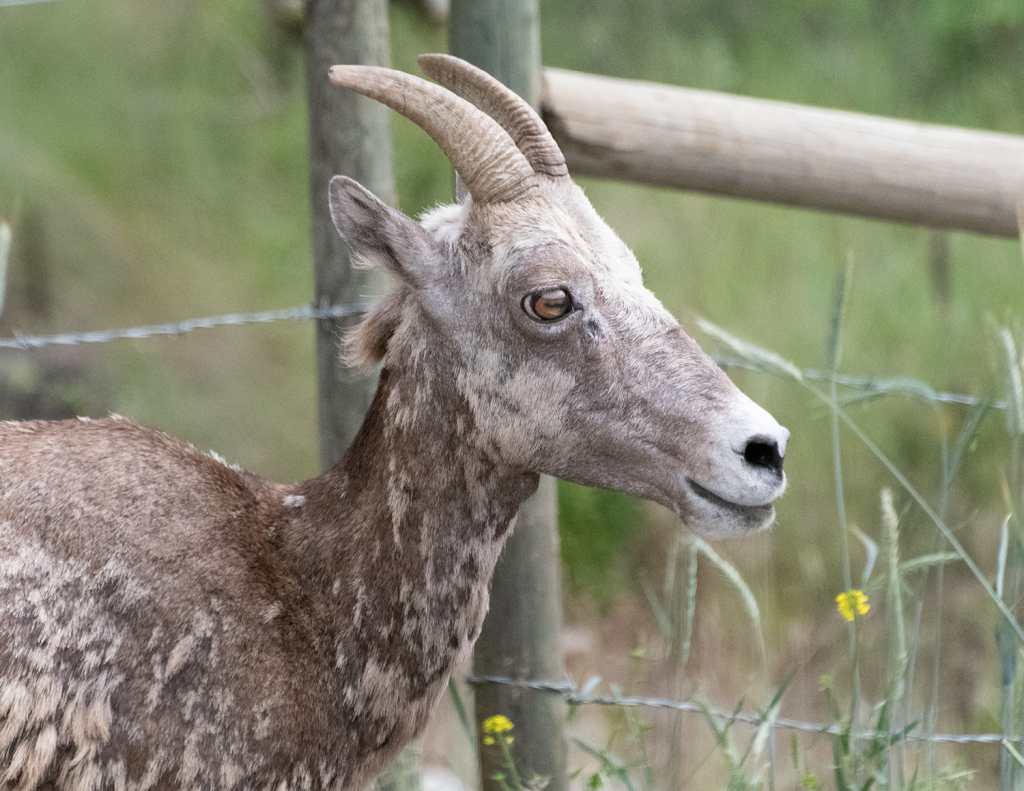
Bighorn sheep
The Kootenay Forest Lands also protect a rich mix of ecosystems, including rare high-elevation grasslands, ancient forests, and hundreds of kilometres of streams connected to the Elk River watershed. According to the announcement, the project influences 42 watersheds and conserves 930 km of streams, helping support clean water, healthy fisheries, and landscape connectivity.
“Conservation in ʔamakʔis Ktunaxa is a priority, as is ensuring ecosystems stay connected to support the well-being of the water, land, and all living things (ʔa·kxam̓is q̓ api qapsin). We are committed to creating, with NCC, a process to identify each our respective interests, goals and outcomes for these lands.” – Letter from Ktunaxa Nation Council, signed by KNC Chair Kathryn Teneese, and the four Ktunaxa First Nations’ Nasuʔkins Donald Sam, Cheryl Casimer, Heidi Gravelle and Jason Louie
What makes this story especially powerful is the collaboration behind it. The project was made possible through partnership among Ktunaxa First Nation, governments, industry, communities, and private donors, with support from the Government of Canada, the Province of British Columbia, Elk Valley Resources, and many others. With the land now under conservation stewardship, future management will focus on restoring ecosystems, enhancing carbon storage, building resilience to wildfire and floods, and maintaining public recreation access.