Healthy Land, Healthy Livelihoods
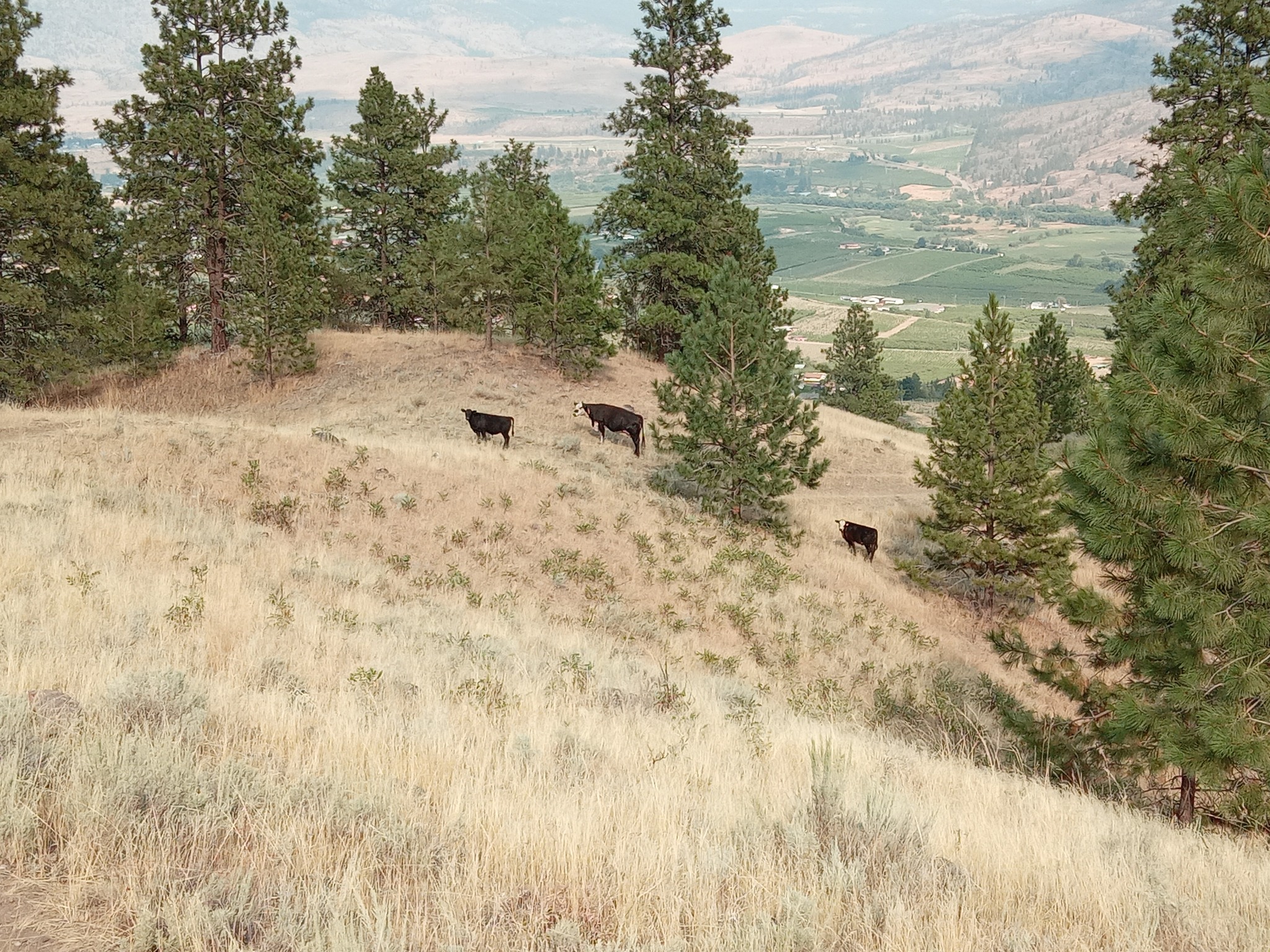
Working landscapes are often vital corridors for wildlife.
Across the Thompson–Okanagan, many of the most important wildlife movement routes cross ranchlands, private acreages, agricultural valleys, and public grazing lands. Keeping natural pathways open across land and water supports livestock, fish, wildlife, and long‑term land productivity.
What Connectivity Means
Ecological connectivity is how freely animals, water, plants, and natural processes move across the landscape.
Ecological corridors are the linked lands and waterways that make that movement possible. In the Thompson-Okanagan, many corridors run through ranchlands, farms, private acreages, and public grazing lands, not just parks.
Keeping these pathways open helps livestock and wildlife move safely, supports healthy fisheries, and strengthens long-term land productivity and resilience.
Corridors Cross Working Lands
Many ranchers and landowners already support connectivity through good grazing practices, caring for riparian areas, and keeping key movement routes open.
In many cases, healthy land supports both productivity and wildlife—clean water, stable soils, and resilient forage benefit everyone.
What Gets in the Way?
Even small changes—like new fences, roads, stream crossings, or building in valley bottoms—can disrupt natural movement over time.
Day-to-day land-use choices and infrastructure can make it easier or harder for wildlife, fish, and water to move through a working landscape.
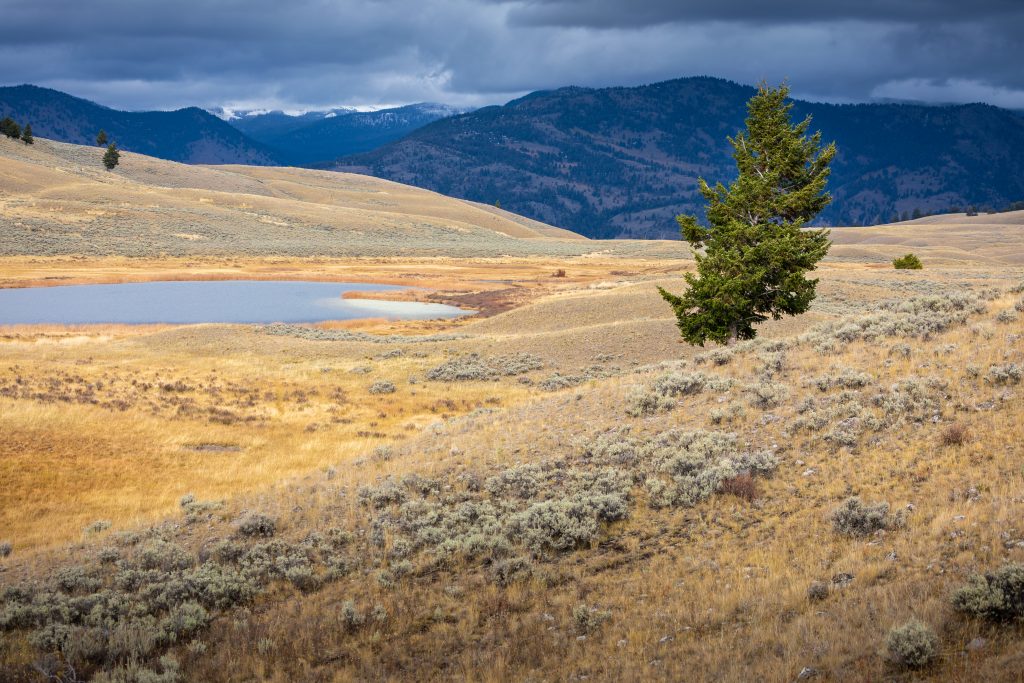
Grasslands cover less than 1% of B.C.,
yet support about 30% of the province’s species at risk
Stewardship That Works
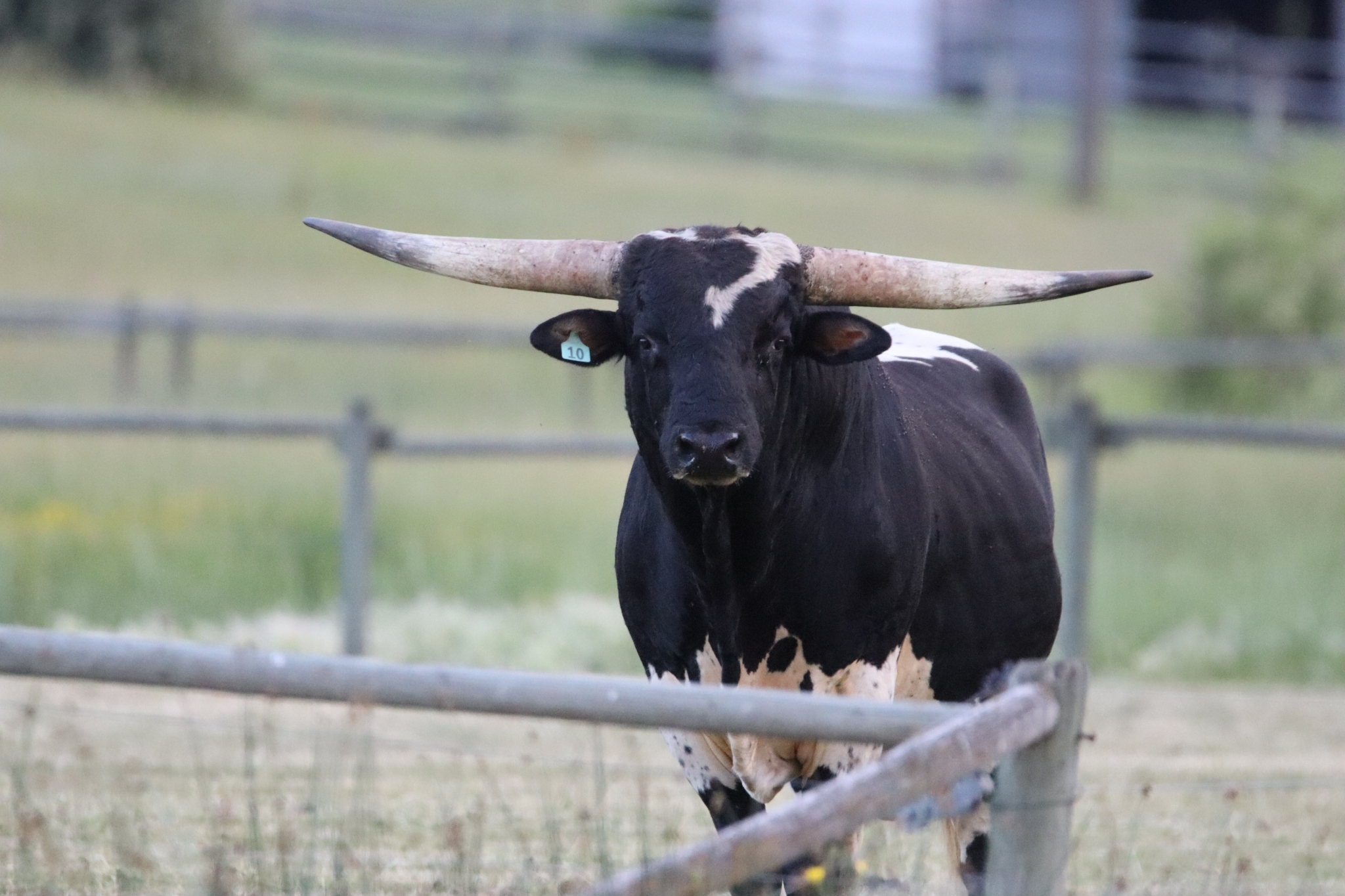
Practical, proven practices can restore connectivity on working lands—while supporting productive operations:
-
wildlife-friendly fencing
-
off-stream watering systems
-
riparian buffers and creekside protection
-
rotational grazing
-
restoring native grasslands and wetlands
-
upgrading culverts for fish passage
Photo by Jake Batters, CC BY-NC
When wetlands and creekside areas are damaged—or when movement routes are narrowed—landscapes become less resilient to drought, wildfire, and changing conditions.
In parts of the Okanagan and Similkameen, up to 90% of wetland and riparian habitats have been lost to development, channelization and land use change.
Poole et al. (2024). Migration, movements, and survival in a partially migratory elk population. Conservation Science and Practice. Wiley.
Even restoring small sections can make a measurable difference.
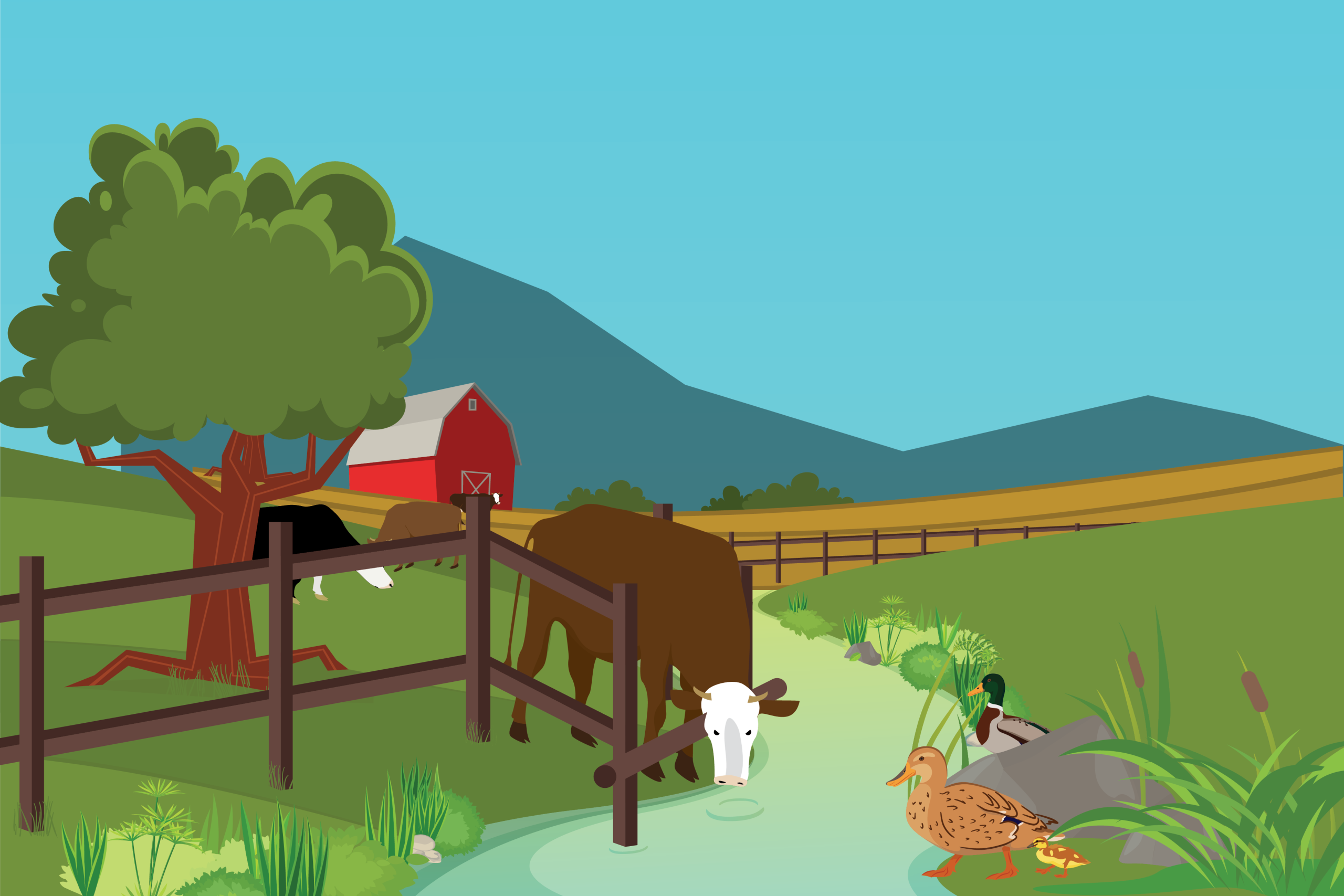
Image: A riparian buffer with fencing and off-stream watering protects water quality while allowing both livestock and wildlife to move safely
Practical Guides for Working Lands
Practical tools grounded in real stewardship—designed to support productive operations and keep wildlife moving safely.
Funding and Advisory Support
Funding and advisory support can help make stewardship actions practical and affordable. Many landowners in B.C. may be eligible for grants, planning support, or cost-shared projects.
Photo by Arek Halusko CC BY-NC-SA
Connectivity in Action
Across the Thompson–Okanagan, Indigenous Nations, landowners, governments, and conservation partners are working together to:
- identify key wildlife corridors
- restore wetlands and floodplains
- improve fish passage in creeks and rivers
- upgrade fencing and road crossings
- reconnect habitat where it has been fragmented
These collaborations show that working lands can stay productive while supporting wildlife movement and healthy waterways.
Keep Your Land Connected
You can:
- use wildlife-friendly fencing where it fits your operation
- protect and restore creekside areas to keep water clean and banks stable
- consider cost-shared upgrades (culverts, watering systems, crossings) that improve connectivity
- learn from Indigenous-led restoration efforts and local stewardship groups
Healthy land supports strong operations—today and for future generations.