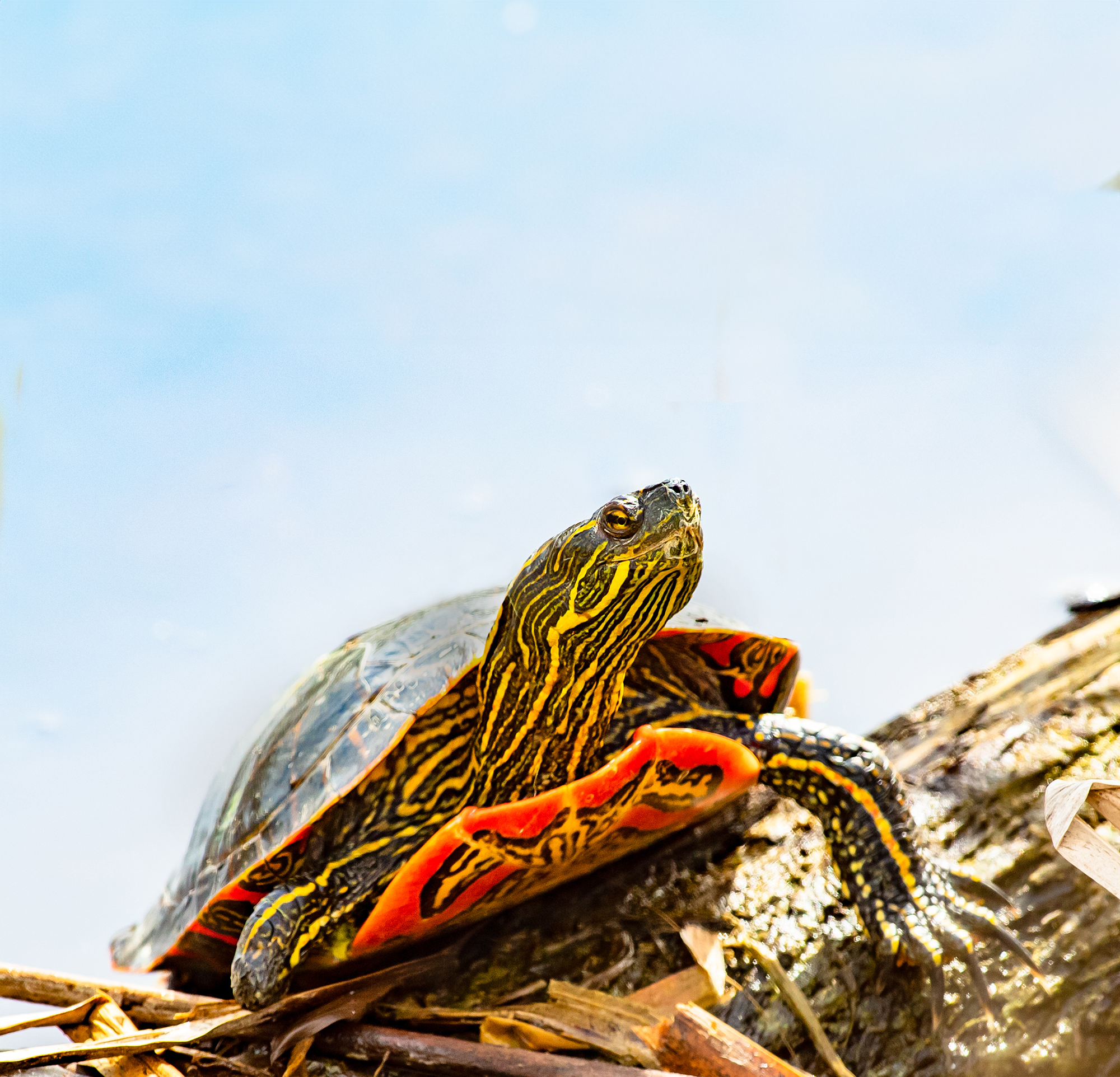
Keep the Places You Love Connected
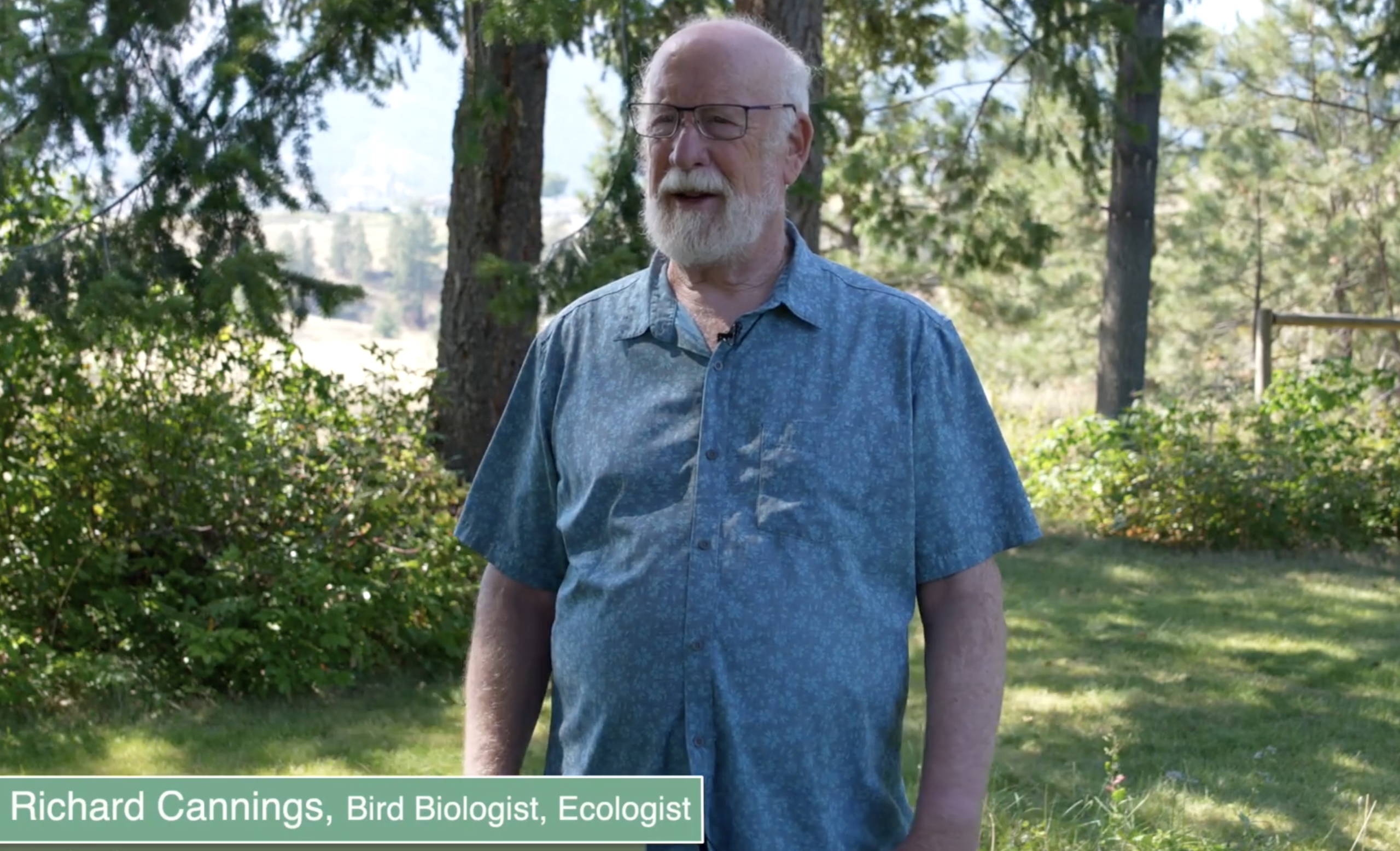
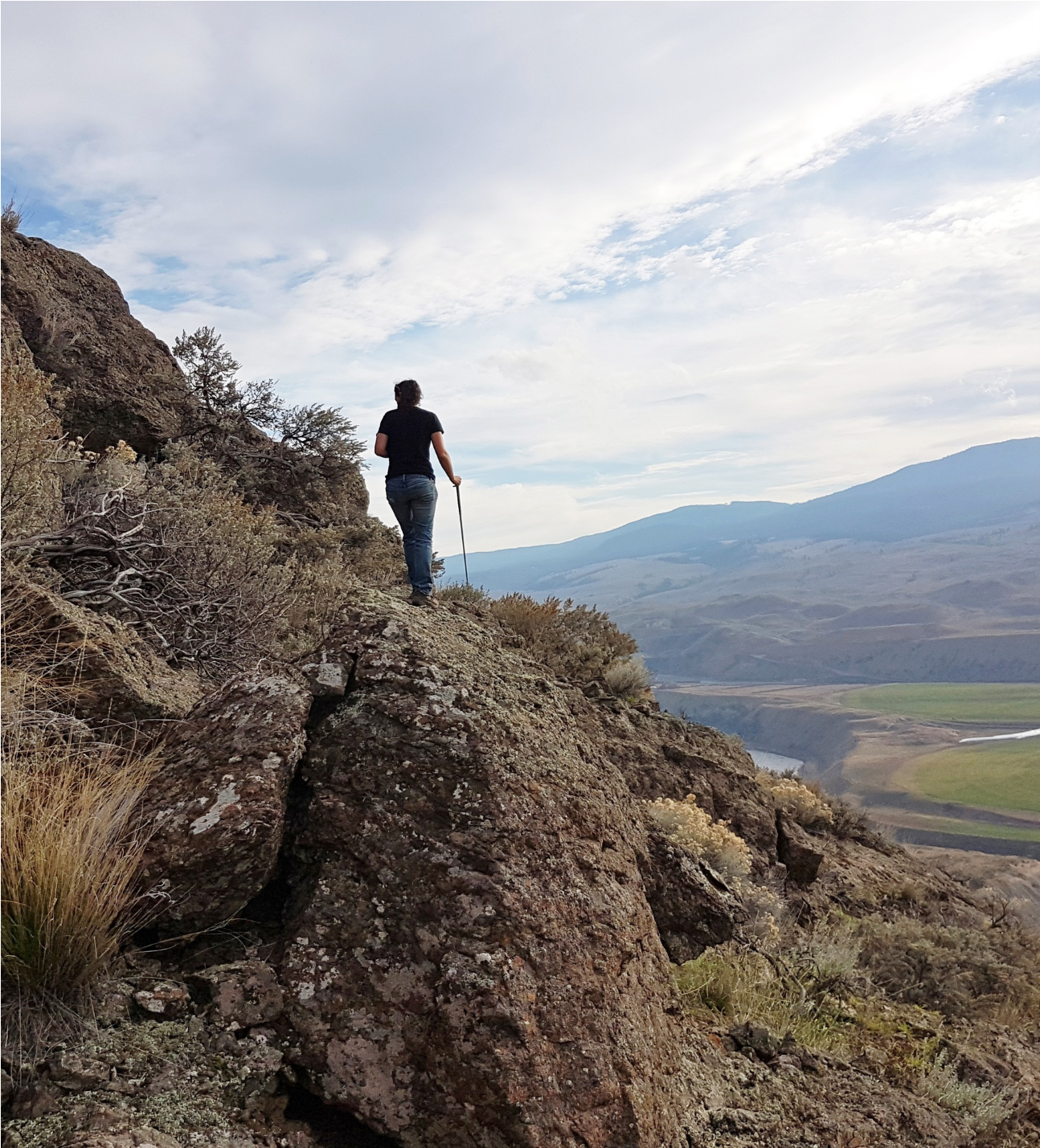
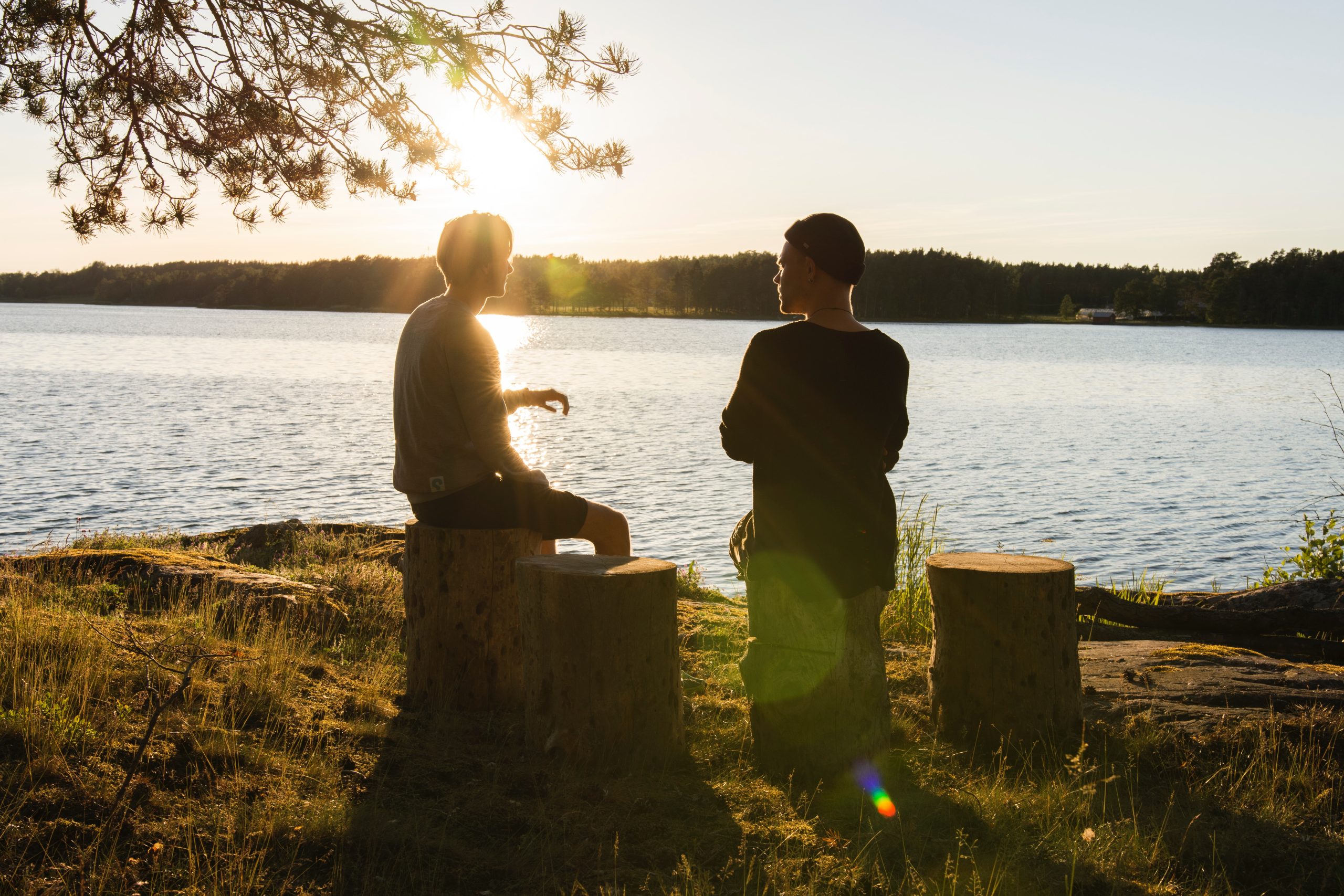
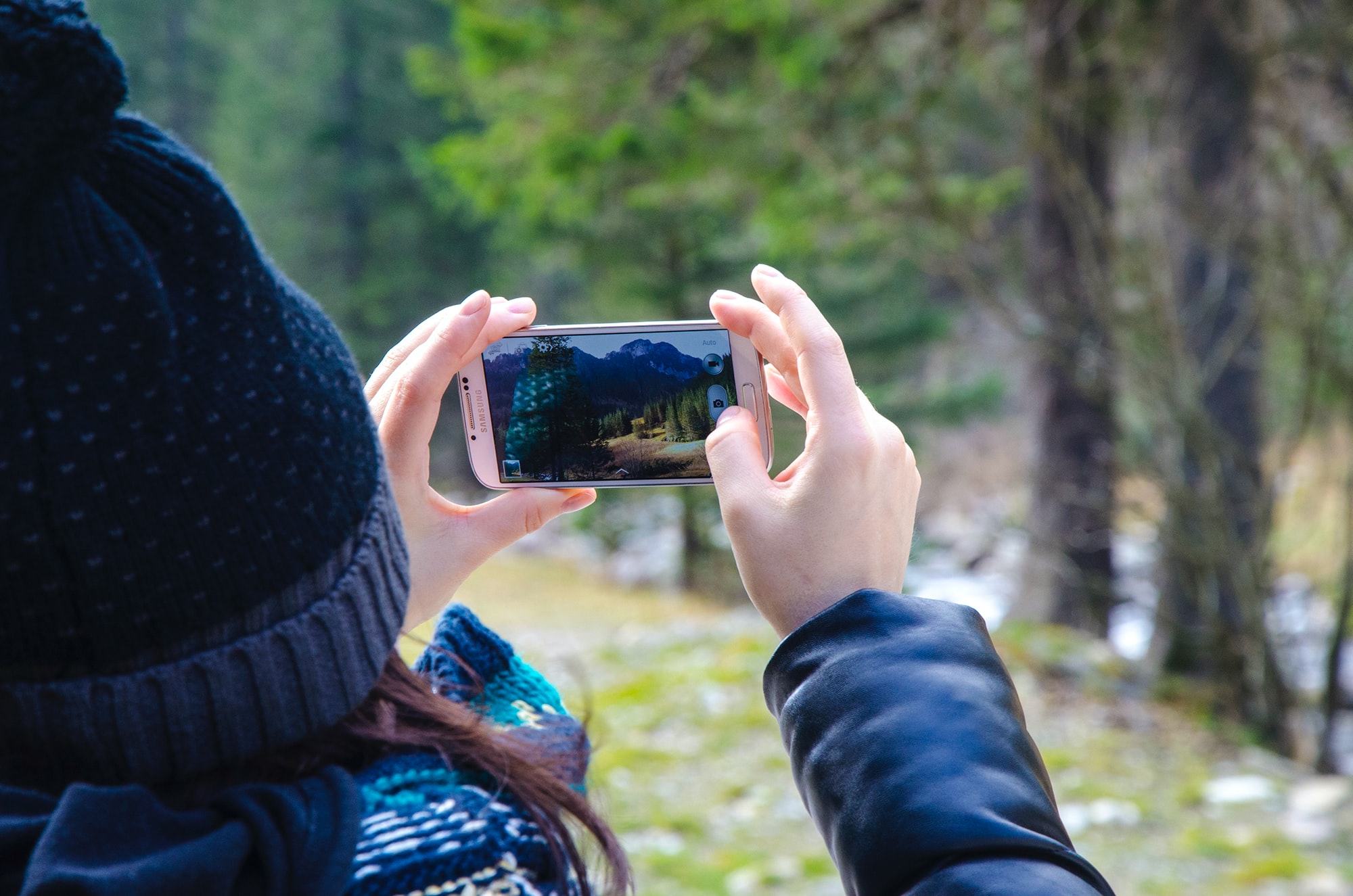
If you hike, bike, photograph nature, watch birds, enjoy the backcountry, paddle, or simply enjoy being outdoors — you’re already part of a connected landscape.
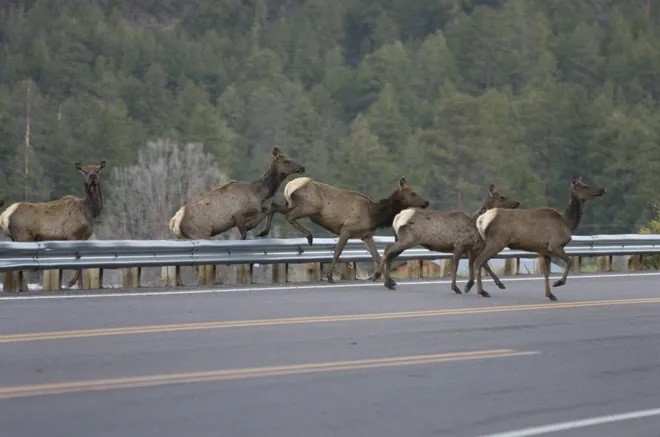
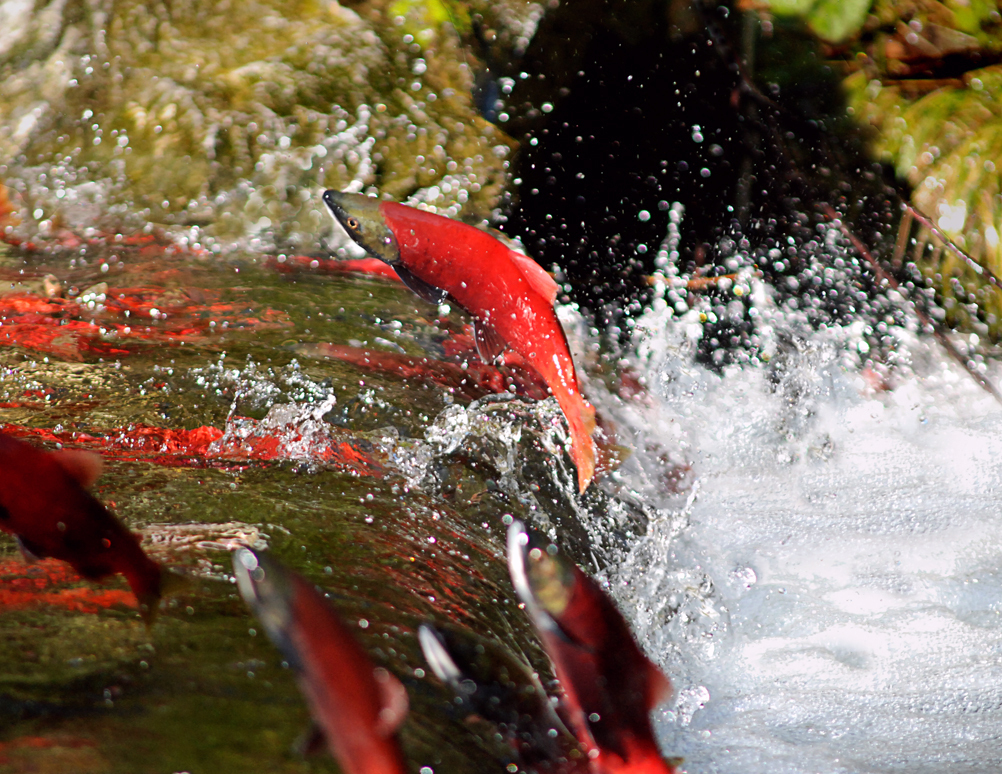
Every trail you follow, ridge you climb, or lake you visit is also used by tmixʷ | tmícw (all living things) moving through the land. Animals migrate through valleys and forests. Water flows across creeks and wetlands. Plants spread through wind, birds, and insects. These movements are what keep nature alive.
But many of the routes that wildlife rely on have been disrupted over time — by roads, development, fences, and barriers in streams. Understanding how nature stays connected helps us protect the places we love and keep them thriving for future generations.
Big Actions on Land and Water
Protection
Crossings
Restoration
Simple Steps in Your Community
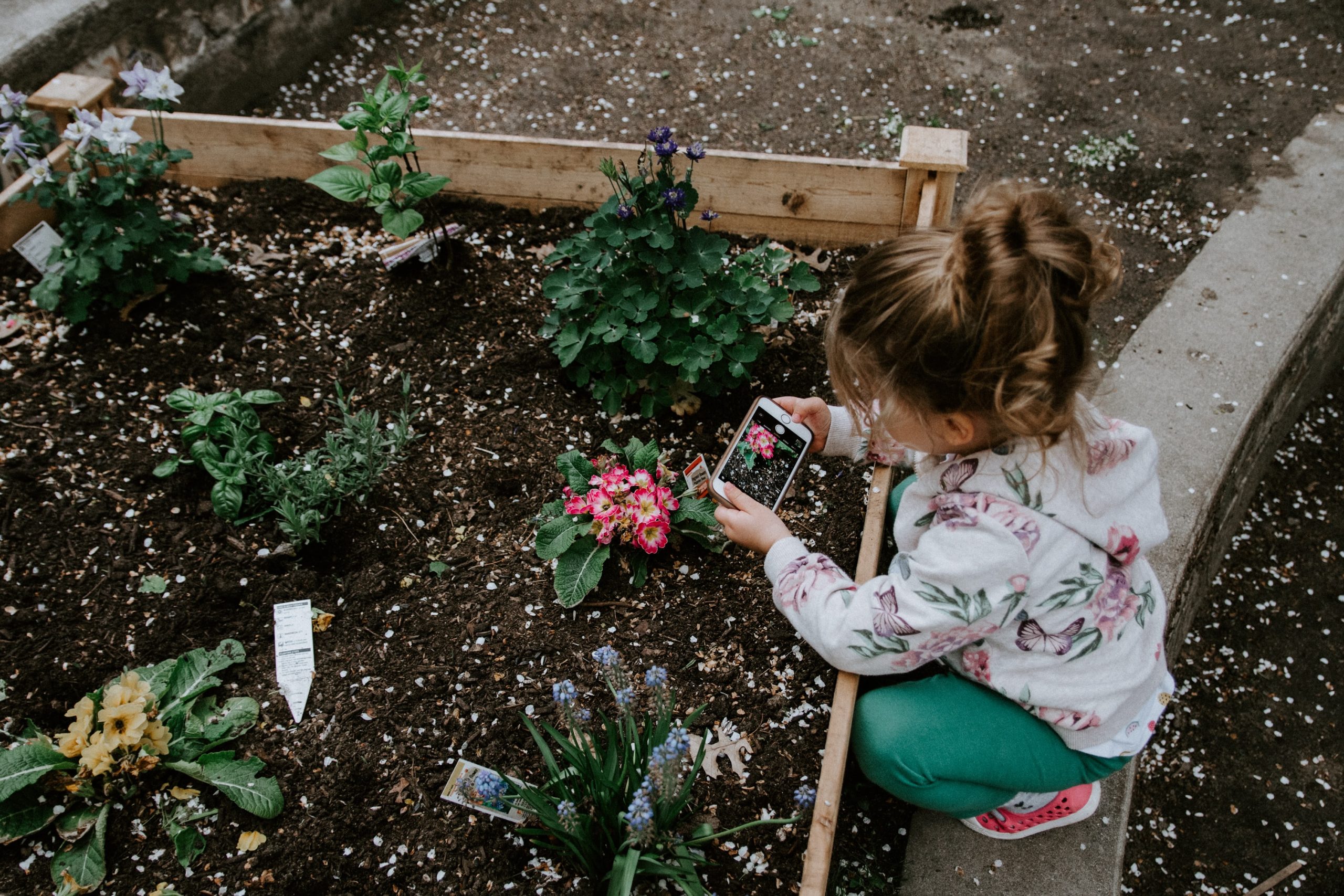
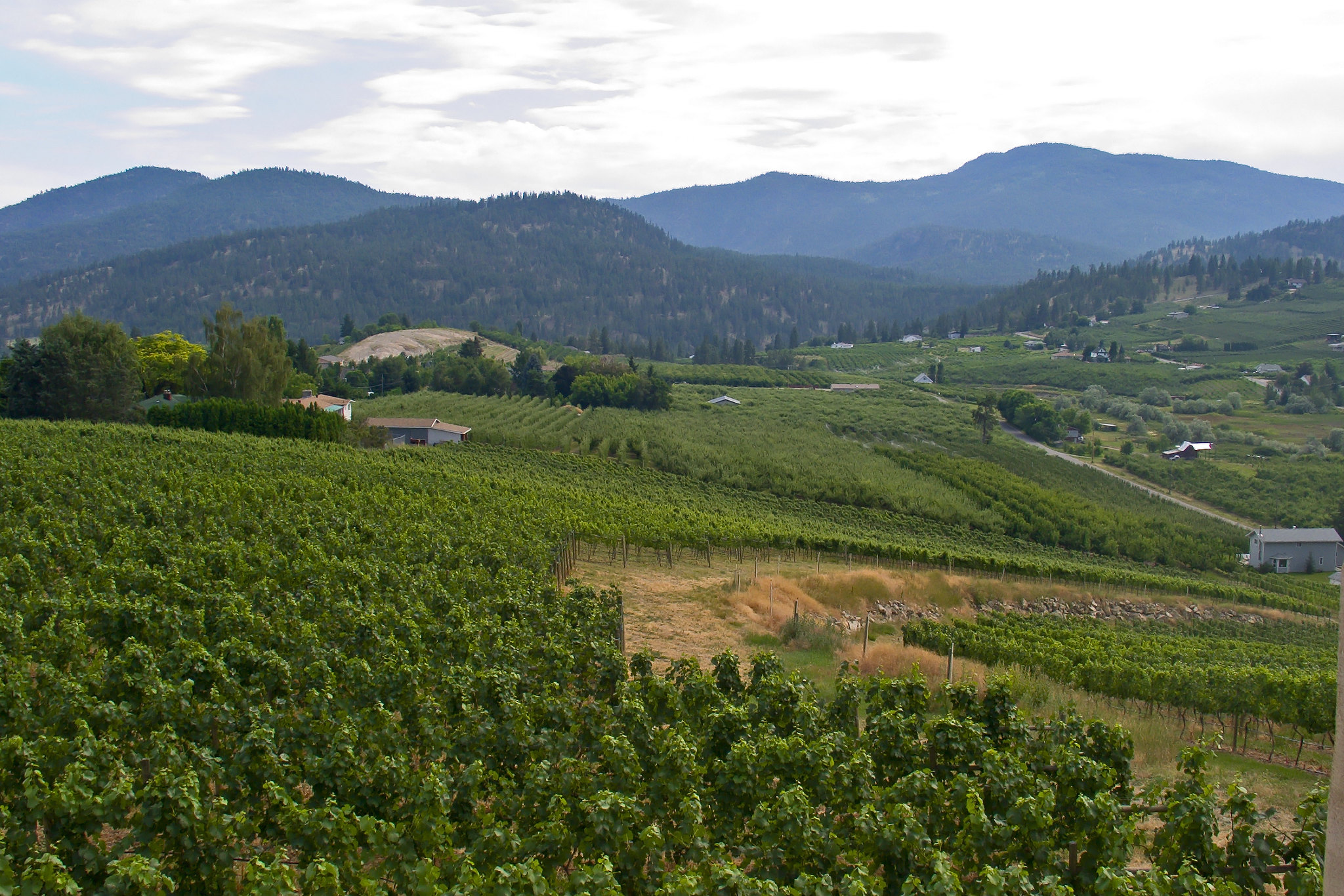
Big projects restore landscapes, but everyday choices in our backyards, farms, and neighbourhoods also keep nature connected. These local actions make a difference for wildlife, water, and people right where we live.
Habitats
Stewardship
Science
Practices
What Is Ecological Connectivity?
Ecological connectivity is the natural flow of life across the land and water — how freely animals, plants, water, and ecological processes can move.
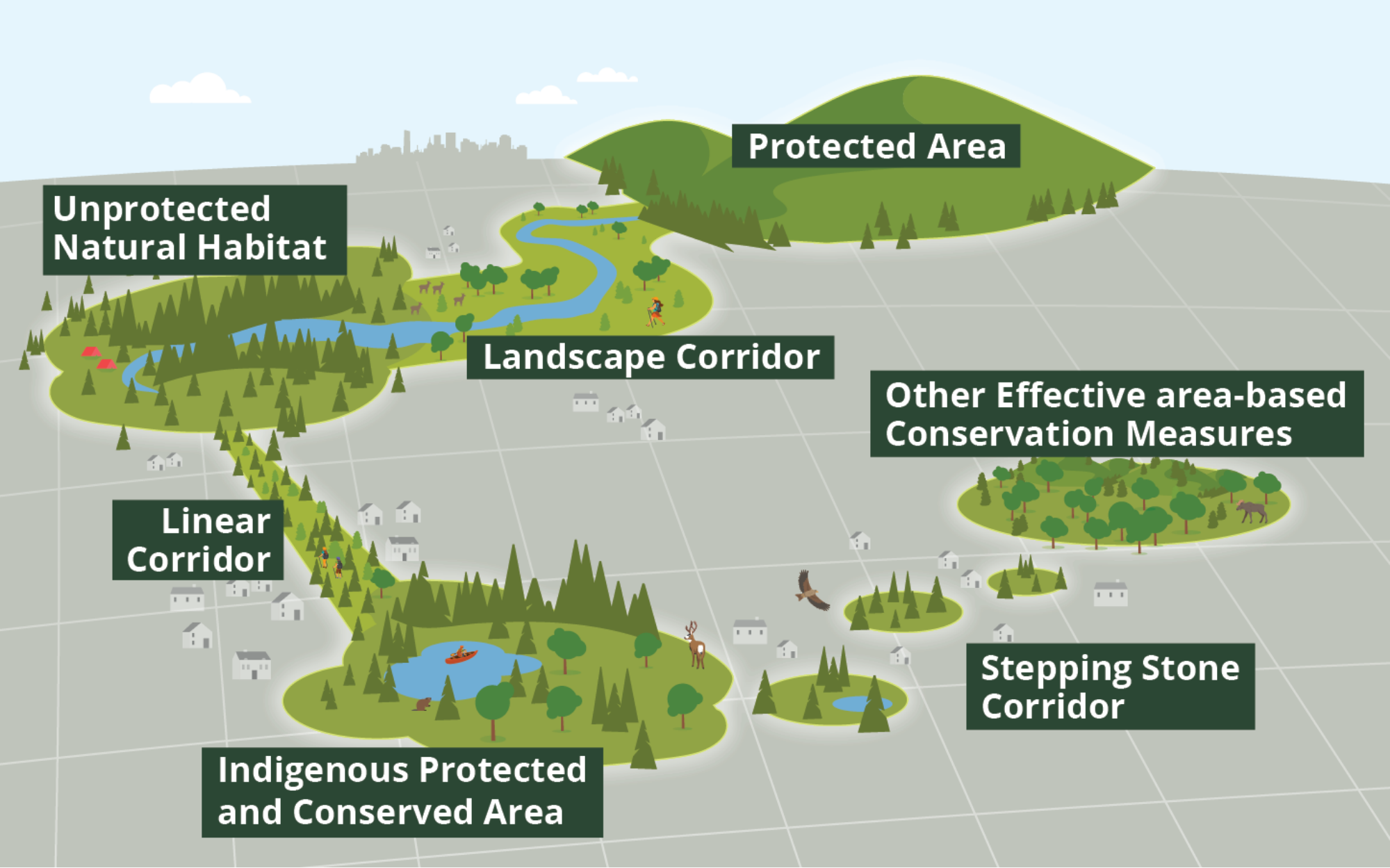
How Corridors Work
What's at Risk
Why This Matters
How You Can Help