How “Kootenay Connect” is Stitching Wildlife Corridors Across the Kootenays
February 17, 2026
If you live, work, or play anywhere from the Columbia Valley to the Slocan, you’re already part of a landscape where valley‑bottom wetlands, riparian areas, ranchlands, and highways shape how wildlife moves. A new feature story in Canadian Geographic spotlights Kootenay Connect—a growing network of partners working to reconnect that movement safely and effectively.
The article at a glance
- What’s the story? Reporter Brad Badelt follows biologist Michael Proctor and ecologist Marcy Mahr to show how science, Indigenous values, land stewardship, and practical projects are aligning to keep key pathways open across the Kootenays. The piece traces a GPS‑collared grizzly—“Drone Bear”—as it navigates the Columbia Valley using conservation corridors to move between the Purcells and Kootenay National Park. It’s a vivid, real‑world illustration of ecological connectivity at work.
- Why corridors? Fragmented habitats increase risks for wide‑ranging species like grizzlies—reducing genetic exchange and resilience. Corridors function as bridges between core habitats, reducing conflict and helping wildlife find food, mates, and seasonal refuge.
- The vision: Building on a 2019/2020 analysis, Kootenay Connect identified 12 priority connectivity areas that link valley‑bottom riparian/wetland complexes with surrounding uplands and mountain ranges. That science‑based framework continues to guide where partners focus restoration and stewardship.
“This is what landscape connectivity is,” says Proctor—corridors that actually work for wildlife and people.
What’s happening on the ground
Kootenay Connect’s approach blends data (bear movements, biodiversity inventories), local knowledge, and partner action to restore pinch points and safeguard key routes. Think riparian and wetland restoration, wildlife‑friendly fencing, culvert and crossing improvements, invasive species control, and selective forest thinning in dry open forests to improve habitat for at‑risk species.
Those efforts have scaled up through Kootenay Connect Priority Places, coordinated by the Kootenay Conservation Program with more than 40 organizations working across multiple corridors. The initiative has leveraged multi‑year funding and partner investments to deliver dozens of habitat projects—demonstrating how regional collaboration translates into tangible, local results.
Recent land securement also contributes to corridor function—for example, the Geddes Creek Conservation Area adjacent to Kootenay National Park strengthens the Radium wildlife corridor, a movement route identified in the Kootenay Connect framework.
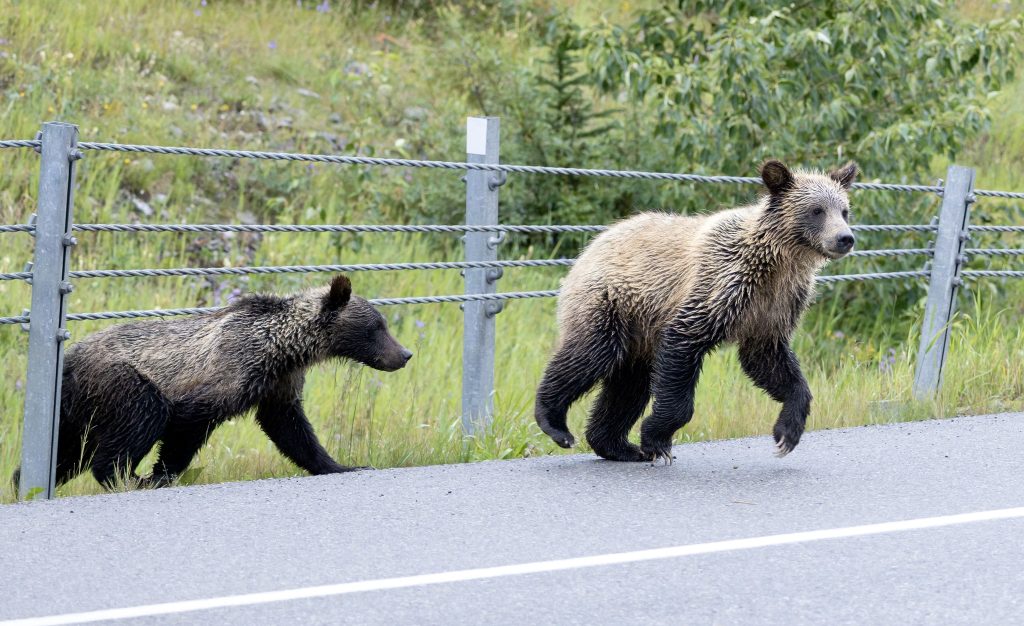
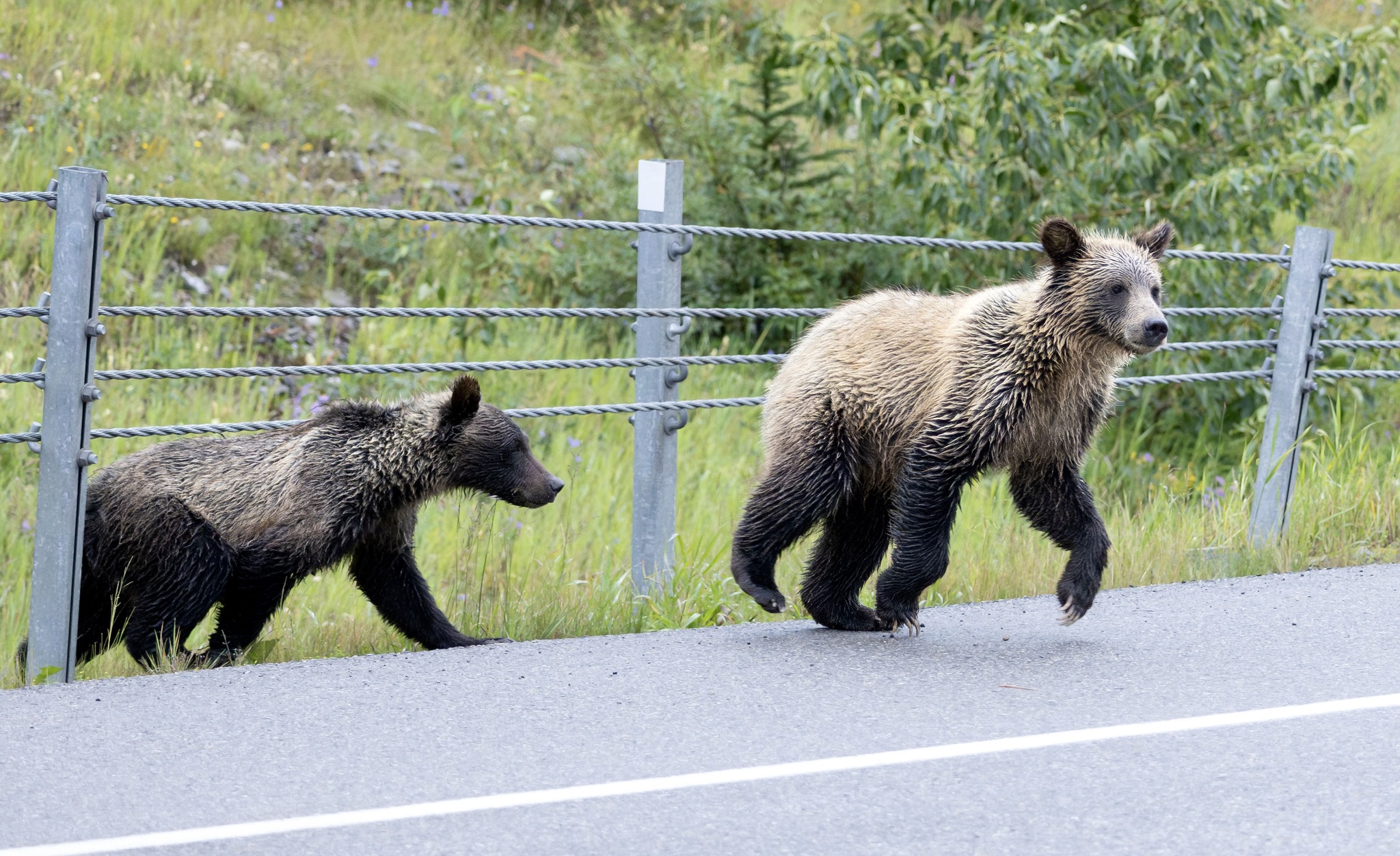
Photo: Grizzly bears by Amir Said CC BY-NC
Indigenous leadership and place‑based values
The story underscores the importance of Indigenous knowledge, stewardship, and cultural connection—from the Ktunaxa Nation’s relationship with Columbia Lake to Nation‑led perspectives on how and where corridors should be restored and managed. This aligns with Kootenay Connect’s stated aim to weave Indigenous knowledge with science across the regional network.
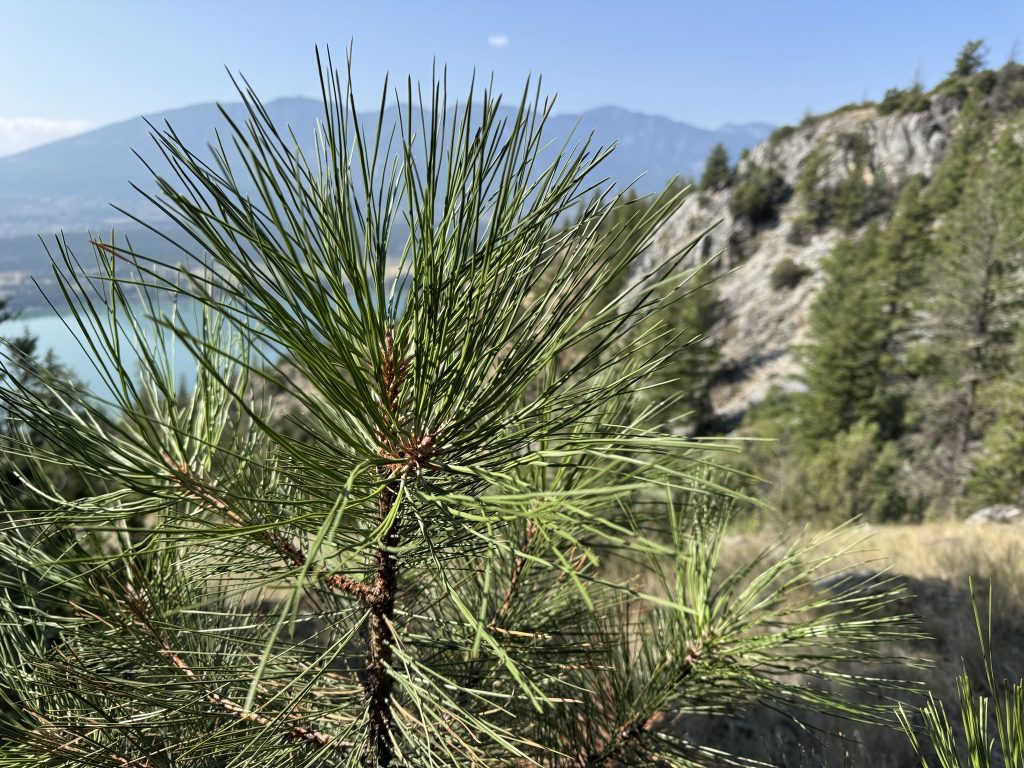
Photo: Western ponderosa pine at Columbia Lake by Jenny Feick CC BY-NC
Why it resonates with “Keeping Nature Connected”
Our focus is practical connectivity—projects that help wildlife move safely across working landscapes while supporting community well‑being and local economies. The Canadian Geographic feature shows what that looks like at regional scale: science‑led priorities, local partnerships, and on‑the‑ground fixes that reduce conflict and keep pathways open.
It also spotlights the long game: sustained funding, long‑term collaboration, and the “many people working with one heart” approach that durable corridor conservation requires. (Kootenay Connect Priority Places managed by Kootenay Conservation Program received federal support through CNPP; extensions enabled more projects and partners.)
Read the full story
Kootenay Connect and the science of success (Canadian Geographic, Feb 10, 2026)