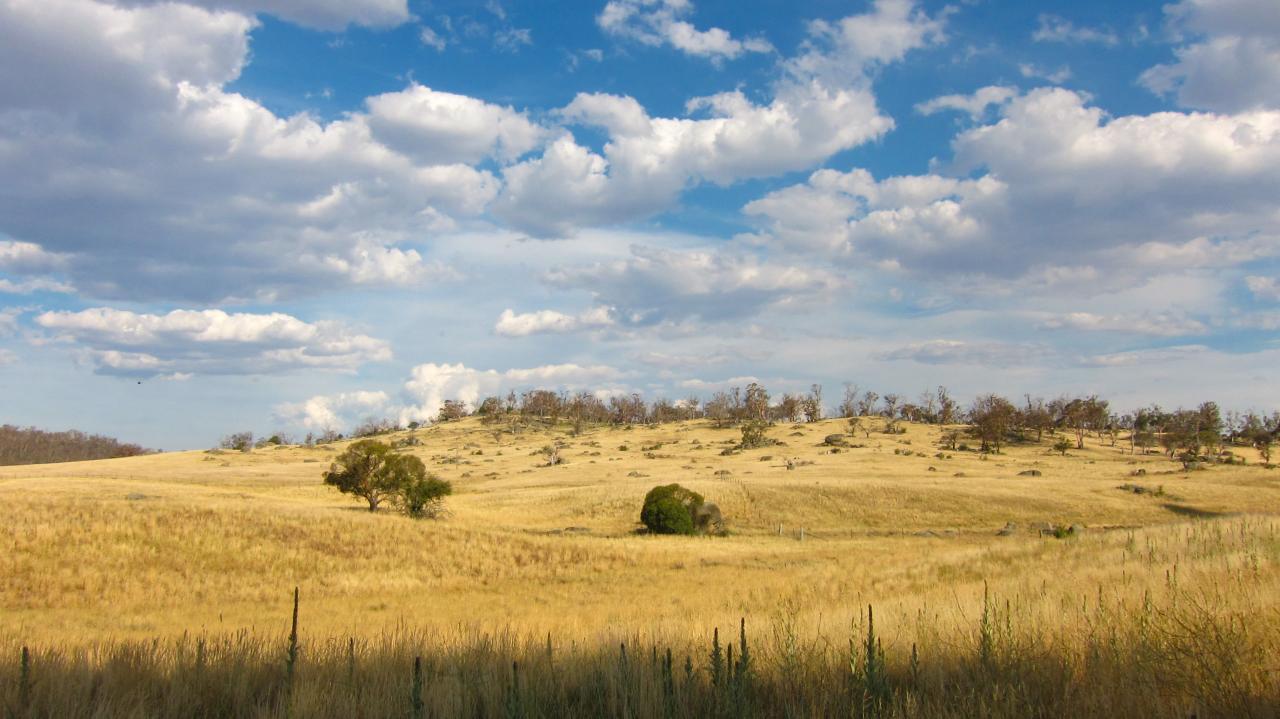
Healthy Landscapes.
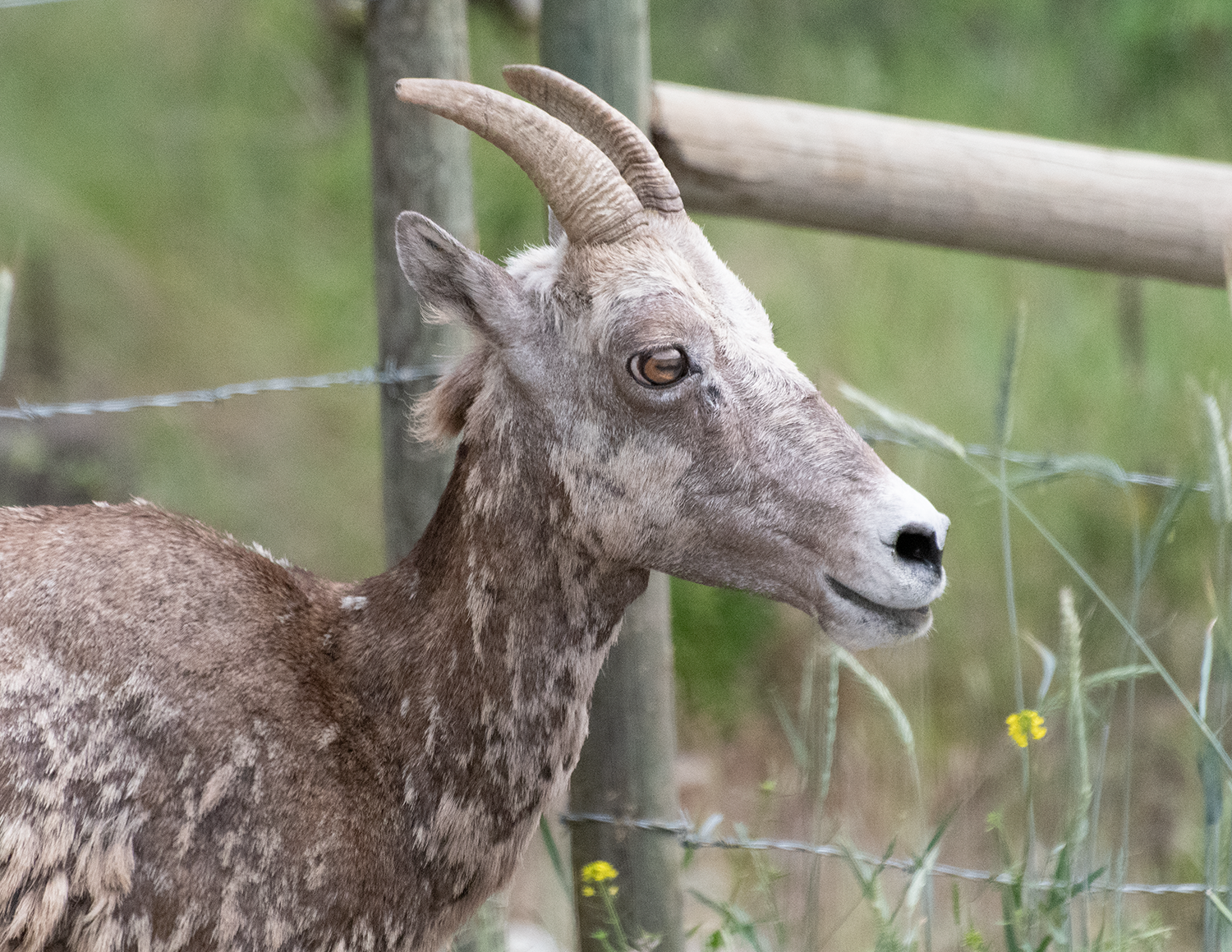
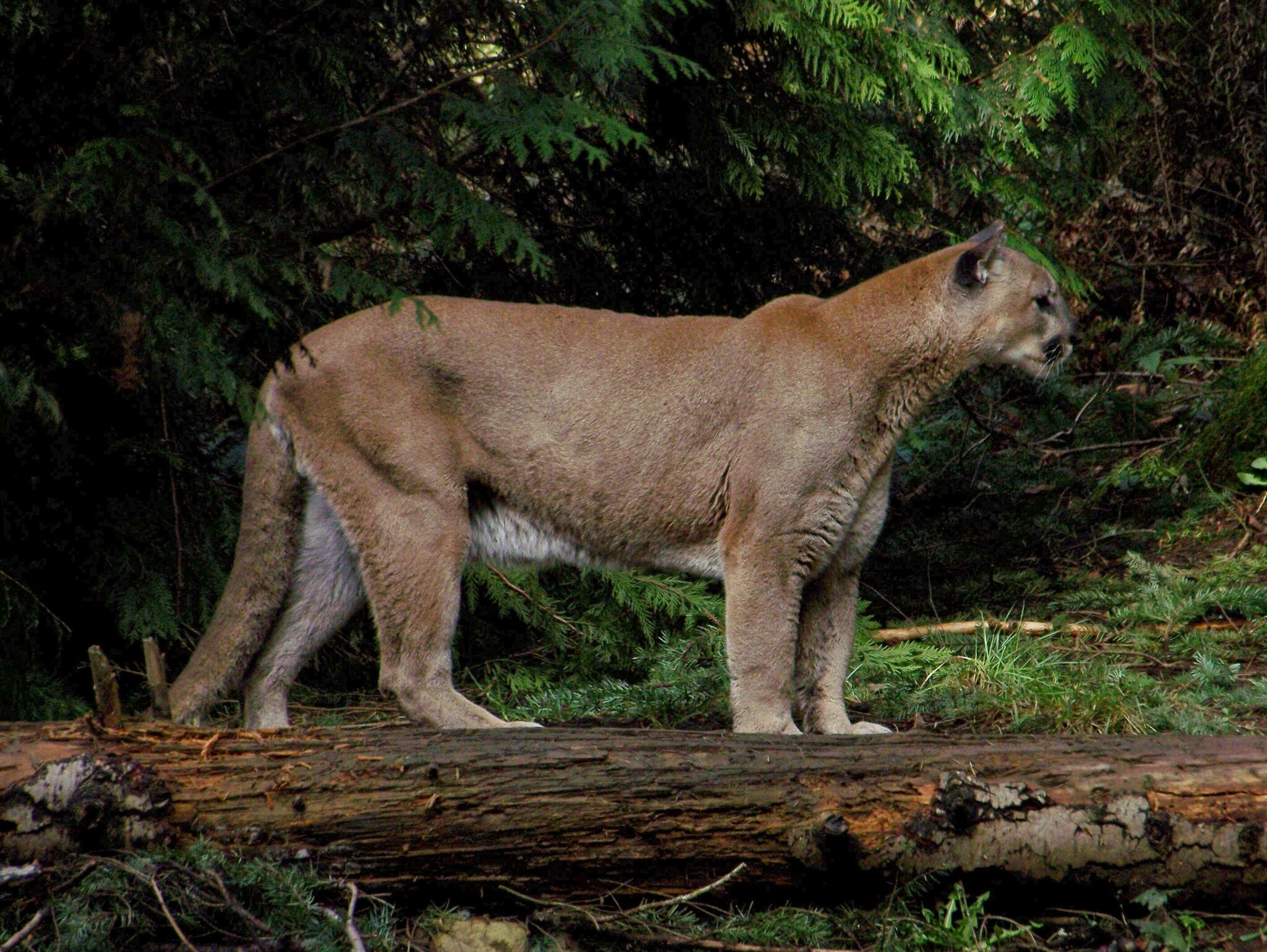
Healthy Wildlife.
Living Traditions.
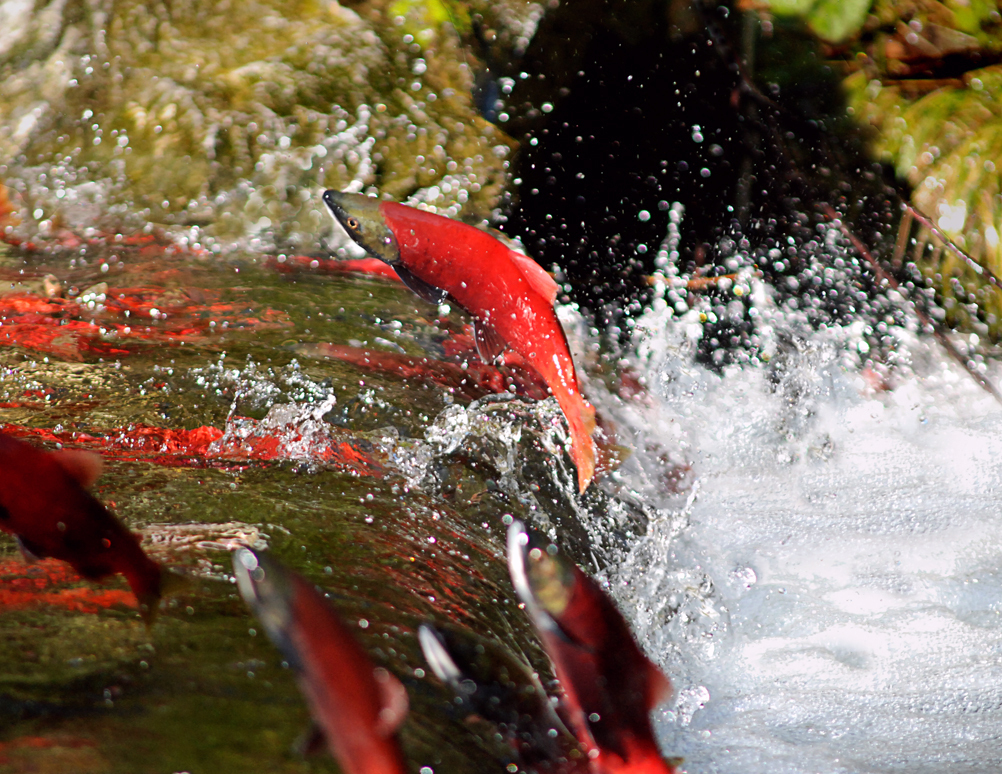
When natural pathways stay open, animals can reach seasonal habitat and fish can complete their migrations. When routes are blocked, wildlife can become isolated and rivers and wetlands don’t function as well, affecting the lands and waters people rely on.
Keeping nature connected helps ensure hunting, fishing, and gathering remain part of life in the Thompson–Okanagan—for generations.
What Connectivity Means
Ecological connectivity is how wildlife, water, plants, and natural processes move across the landscape.
Ecological corridors are the linked lands and waters that make that movement possible. In the Thompson–Okanagan, these pathways often run along valley bottoms, creek corridors, benchlands, and ridgelines—connecting seasonal habitats from low-elevation winter range to higher summer country.
Why Movement Matters
In the Thompson–Okanagan, movement connects valley-bottom winter range, upland summer habitat, and creek corridors used by fish and wildlife.
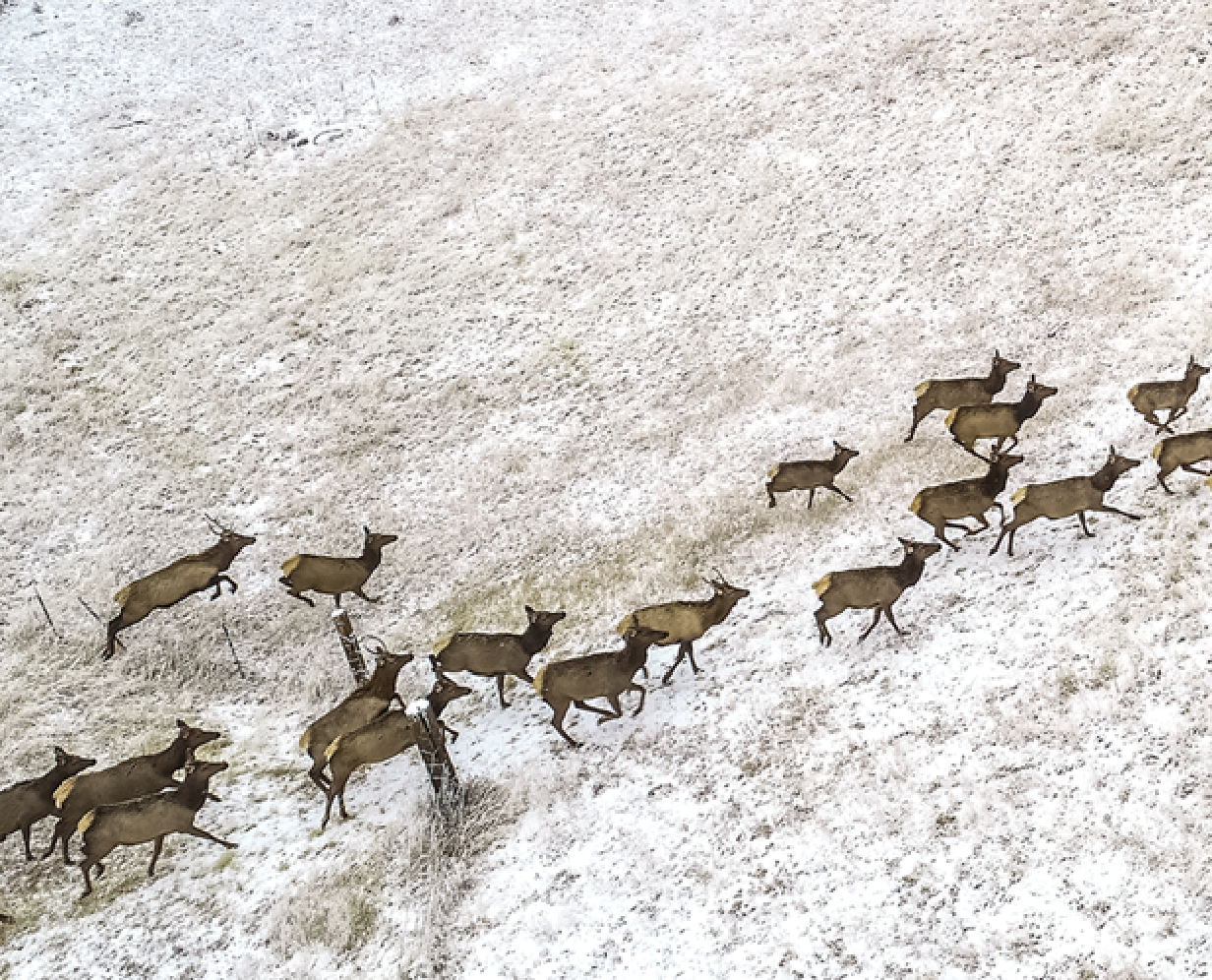
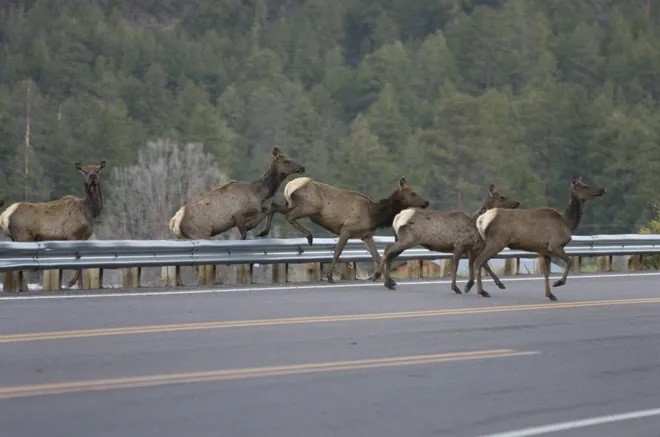
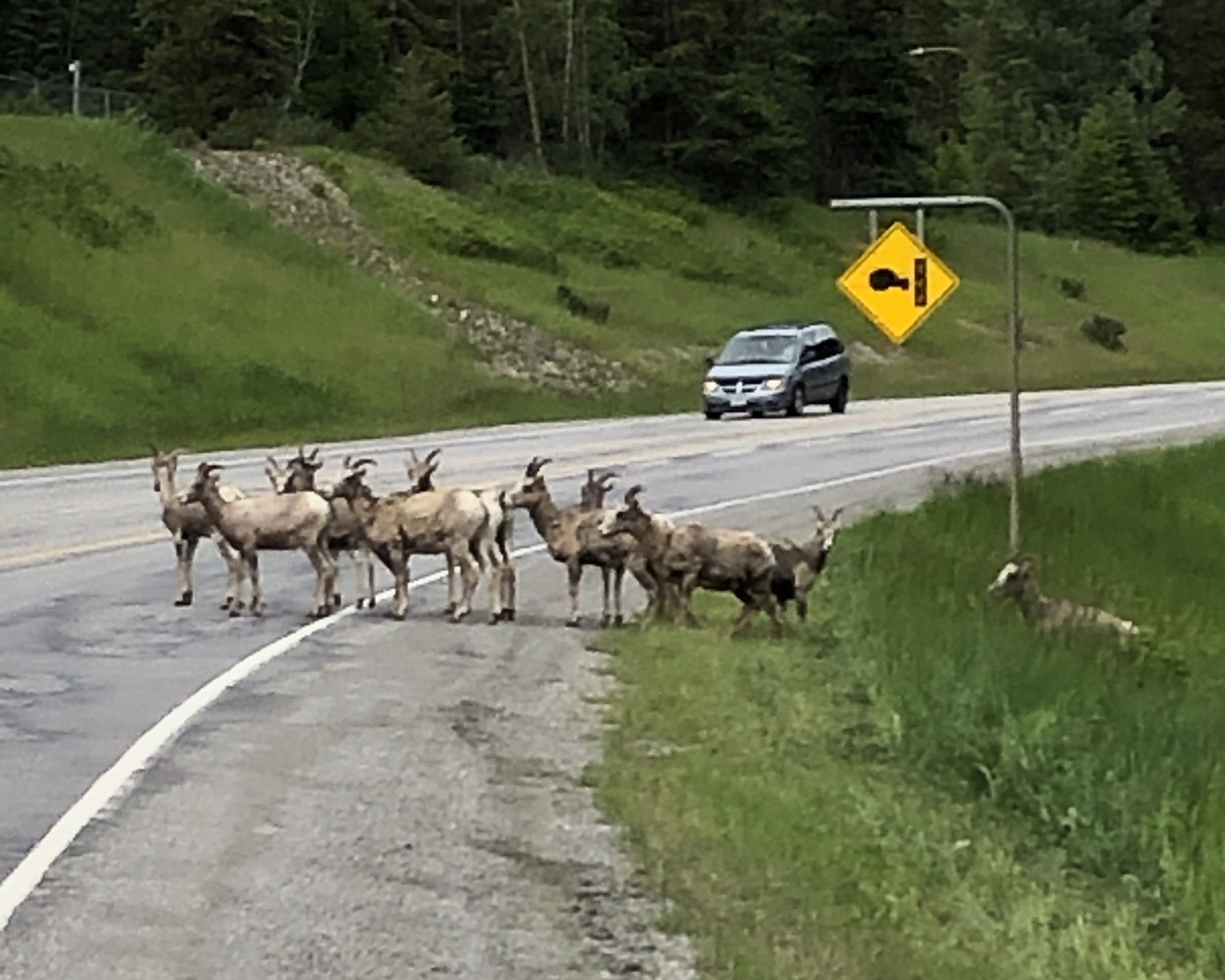
In 2023, more than 12,000 vehicle crashes in BC involved animals
Wildlife crossing structures paired with fencing can reduce collisions by up to 97%
What's Working
These actions reconnect seasonal ranges and spawning waters—supporting healthy wildlife populations and sustainable harvesting traditions.
Explore Connectivity in Action
Fence
Modification
Modification
Fish Passage
Safe Road
Crossings
Crossings
Habitat
Restoration
Restoration
How You Can Help
Hunters, fishers, and gatherers know healthy populations depend on healthy, connected landscapes.
Here are a few simple ways you can help keep nature connected where you live and spend time outdoors.
Backyard
Habitats
Habitats
Local
Stewardship
Stewardship
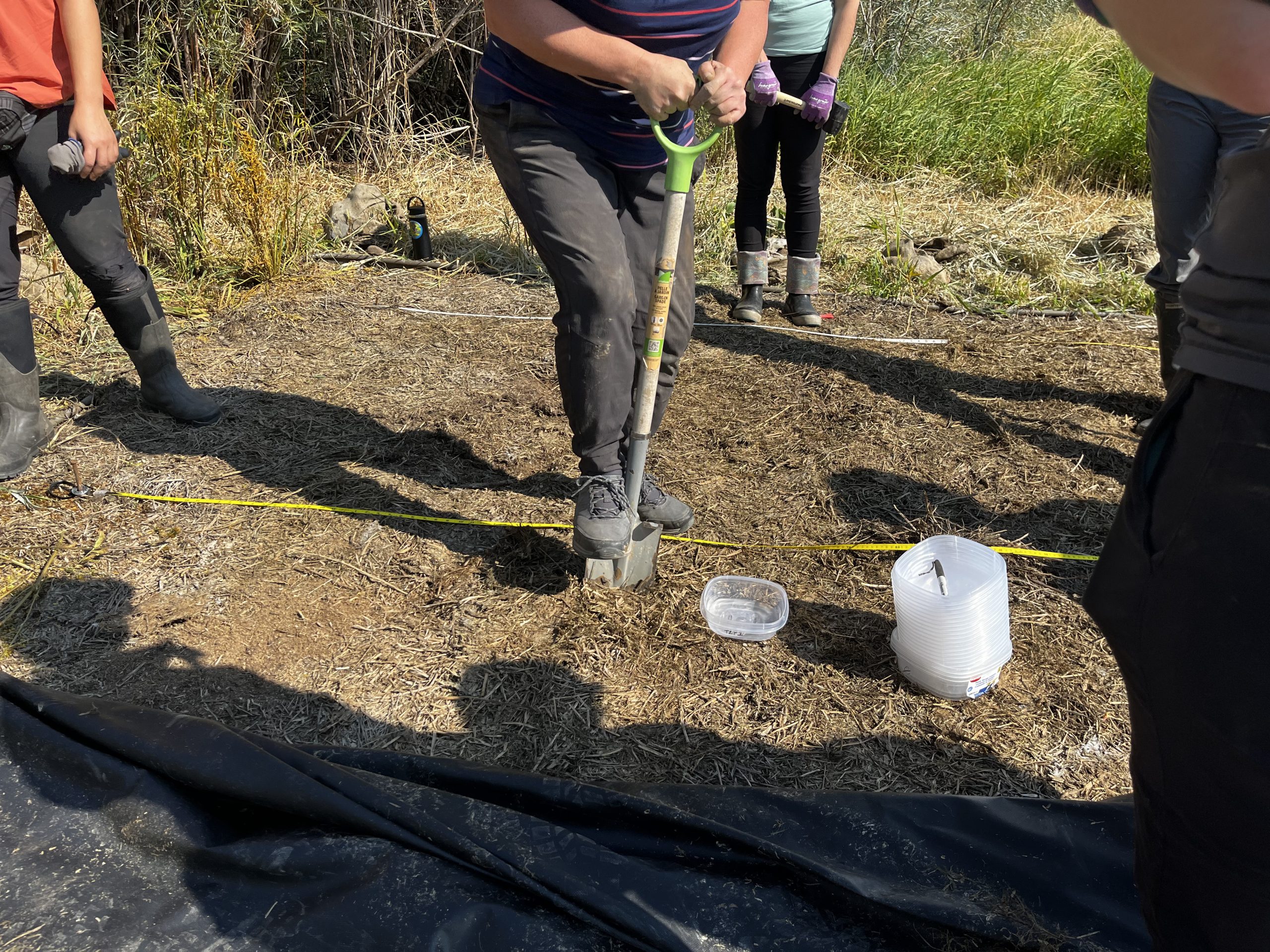
Community
Science
Science
Wildlife-Friendly
Practices
Practices
Keeping Nature Connected
Connectivity isn’t about restricting where people go—it’s about keeping wildlife and fish moving through the Thompson–Okanagan’s valleys, uplands, and waterways. When key routes stay open, we support healthy herds, strong fish runs, safer roads, and the traditions that depend on this land and water.
Join us in keeping nature connected.