Supporting Environmental Outcomes in Rural Municipal Development Planning in Alberta
February 17, 2026
How planning tools are helping rural Alberta communities protect wildlife movement and the natural landscapes that make these places so unique.
In southern Alberta, sweeping foothills, working ranchlands, clean water, and wide‑open views are central to both community identity and the rural real estate market. These landscapes—and the wildlife that move through them—depend on strong ecological connectivity. But as rural municipalities face pressure from new housing, recreation, roads, and resource development, maintaining that connectivity has become an increasingly challenging task.
With support from the Alberta Real Estate Foundation, the Miistakis Institute is helping municipalities bridge the gap between ecological science and day‑to‑day planning decisions. Their work focuses on equipping planners, developers, and land managers with practical tools that ensure growth happens in ways that protect the natural systems that residents value.
Turning Connectivity Science into Planning Tools
To help decision‑makers understand how development could affect wildlife movement, Miistakis created the Wildlife Movement Tool—an online mapping platform designed to evaluate whether a proposed project may disrupt an ecological corridor. The tool assesses potential impacts on medium‑ and large‑mammal movement and offers mitigation strategies to reduce or avoid harm. It’s already supporting more consistent, informed decisions in the Crowsnest Pass and the Municipal District of Pincher Creek, with opportunities to expand to more municipalities.
Complementing the mapping tool is the Development Mitigation Guidelines for Ecological Corridors, a practical document outlining flexible mitigation approaches aligned with potential corridor impacts. Designed for both developers and municipal staff, it helps ensure that ecological connectivity is considered early and consistently throughout planning and permitting processes.
Miistakis also collaborated with the Oldman River Regional Services Commission to develop Ecological Corridor Overlay: Recommendations for Implementation in Rural Municipalities—a guidance document offering sample zoning language for creating an overlay district. Such a district would establish tailored criteria within a mapped wildlife corridor, providing an added layer of protection that supports municipal growth while safeguarding movement pathways.
Making Wildlife Movement Visible in Pincher Creek
Understanding where connectivity still exists is essential for rural municipalities looking to balance conservation with development. To support this work, Miistakis delineated an ecological network for the M.D. of Pincher Creek, identifying remaining natural pathways, priority movement areas, and locations most at risk of being lost.
Developed with local planners and experts, this spatial reference helps guide development away from areas where ecological connectivity is most vulnerable—and toward locations better suited for long‑term community and environmental resilience.
Looking Ahead: A Corridor Conservation Action Strategy
Building on the ecological network, Miistakis has developed the Pincher Creek Ecological Corridor Conservation Action Strategy, to be released in early 2026. The strategy provides a shared, practical framework for municipalities, land managers, and decision‑makers. It outlines targeted conservation actions based on land ownership, management responsibilities, and land‑use designations—creating a roadmap for protecting movement routes long into the future.
Supporting Sustainable Growth and Long‑Term Community Values
By translating science into usable tools and policy frameworks, this project supports sustainable land‑use planning across southern Alberta. The work helps ensure that new development protects the environmental amenities—clean water, healthy wildlife, scenic views, and outdoor recreation—that attract residents, support local economies, and strengthen long‑term property values.
Keeping nature connected means supporting both ecological health and community wellbeing.
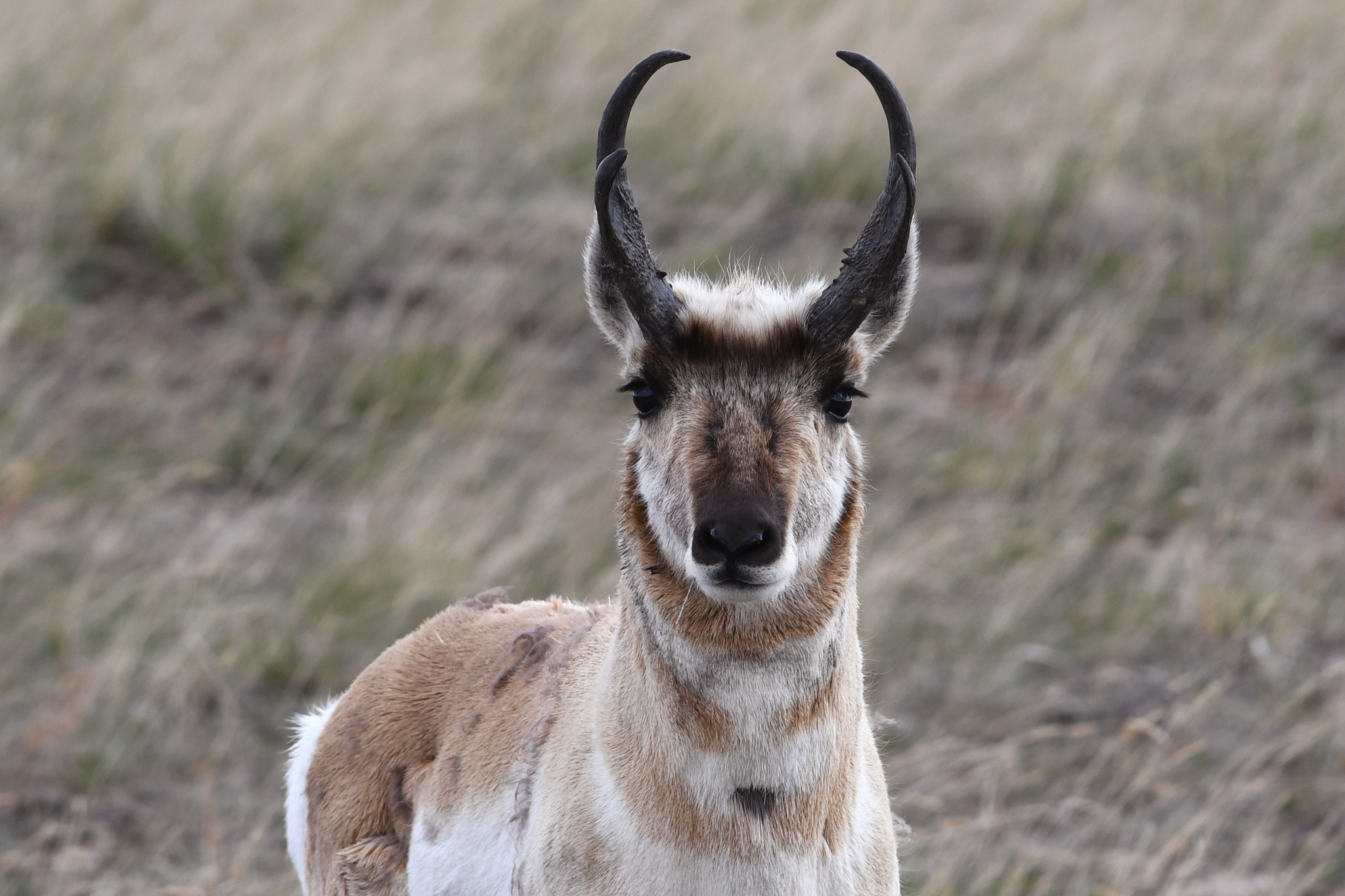
Featured image credit David Bell, CC BY-NC